Kauhale explained: Hawaiʻi's tiny-home villages for people leaving the street
Since 2023, the State of Hawaiʻi has funded a network of small villages called kauhale: clusters of tiny homes or simple private units around shared kitchens, bathrooms and gathering spaces, with case managers and health services on site. They have become one of the most visible parts of the State's response to unsheltered homelessness, and one of the reasons more people on Oʻahu were counted in shelter in 2026.
The idea behind the name
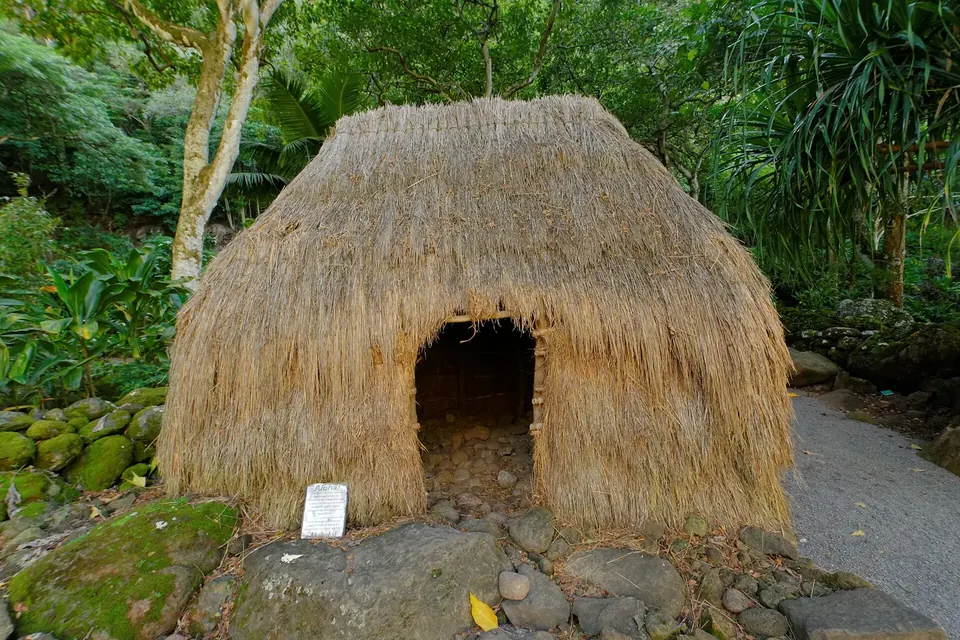
In Hawaiian, a kauhale is a group of houses that together formed a traditional household, with separate structures for sleeping, cooking, eating and work. The State program borrows the concept: each resident gets a private space to sleep and keep belongings, while daily life (cooking, washing, meeting staff, community activities) happens in shared areas.
The Statewide Office on Homelessness and Housing Solutions (SOHHS), which administers the program, describes it in its report to the 2026 Legislature as an approach that "strives to demonstrate cost-effectiveness by blending personal and communal living spaces," with wrap-around services including case management and health care.
What the law says
Act 309 of the 2025 legislative session gave the program more money, clarified its requirements and wrote a definition of kauhale into Chapter 346 of the Hawaiʻi Revised Statutes. Under that definition, a kauhale is:
- a program to address the basic needs of individuals experiencing houselessness; and
- affordable housing projects that are communal living spaces with individual household units and charge monthly rents of no more than 30% of the area median income level.
The second part matters: it places kauhale at the deepest level of affordability, well below the 80% AMI units that dominate most "affordable" developments (see what "affordable" means in Honolulu).
Kauhale by the numbers (as of November 30, 2025)
- 930 beds created since 2023; 918 active beds at 24 sites statewide.
- 721 people living in kauhale; 2,128 served since the program began.
- 88% occupancy of available beds.
- 222 days average length of stay.
- 40% of exits to permanent housing.
Who lives in kauhale
Kauhale are designed to be low-barrier, which in the State's words means "minimal entry requirements". The aim is to reach people who would not go to, or would not be accepted by, a conventional shelter. Several sites specialize in particular groups. The State lists medically fragile adults, seniors, people with behavioral health needs and survivors of domestic violence among the populations served, and there are youth kauhale for young people.
The report gives examples of how specialization affects occupancy. The Kauhale at Iwilei Center, focused on adults with serious mental illness, had filled 19 of its 50 beds as staff managed a gradual move-in. Other new sites were waiting for electrical connections or completing lease-up when the data were collected, which is why the occupancy rate is calculated on 816 available beds rather than the full 918.
How long people stay
There is no fixed time limit. Residents are encouraged to keep working toward permanent housing with support from site staff. Across all projects the average stay was 222 days, and three projects open for more than a year had averages above 300 days. The longest average is at Kamaʻokū Kauhale, the first pilot, which opened in December 2021.
Where people go next
The State reported 888 exits from kauhale through November 30, 2025:
| Destination | People | Share |
|---|---|---|
| Permanent housing | 359 | 40% |
| Other residential or institutional settings (hospitals, treatment, family, other) | 280 | 32% |
| Back to homelessness | 249 | 28% |
A 40% exit rate to permanent housing is meaningful for people coming straight from the street with few resources. A 28% return to homelessness is the other side of a low-barrier design: some residents are not ready, or the setting does not suit them. SOHHS says it holds monthly meetings with operators to work on reducing negative exits, and that it plans to start tracking emergency room visits, hospitalizations, police encounters and income before and after entry.
Kauhale and the wider system
The State describes kauhale as one rung of a "housing ladder": a step between the street and permanent housing for people who lack the money and social support to move straight into an apartment. That role depends on the next rung existing. With average stays in Oʻahu's temporary programs approaching a year, as described in our look at system outcomes, the availability of deeply affordable units and rental subsidies largely determines how quickly kauhale beds turn over.
Kauhale also sit alongside the State's ʻOhana Zones program, made permanent by the same 2025 law, which funds county projects such as the City's HONU navigation shelter and the Housing First IV program on Oʻahu. Our piece on Housing First in Honolulu covers that second track.
Common questions
Are kauhale shelters or housing?
Both, depending on the site. The statutory definition covers both programs meeting basic needs and communal affordable housing projects with individual units, and the State reports kauhale beds as part of its shelter and housing capacity for unsheltered people.
How do people get in?
Referrals usually come through outreach teams and service providers. Partners in Care maintains a kauhale resources page for providers, and the outreach routes described in finding shelter on Oʻahu are the practical way in for someone living outside.
Do they save money?
Demonstrating cost-effectiveness is one of the program's stated goals, and the State's new tracking of hospital and police contacts is meant to measure it. The January 2026 report does not yet present a cost study, so claims either way should be treated with care.
Sources
- Statewide Office on Homelessness and Housing Solutions and Hawaiʻi Interagency Council on Homelessness, Report to the 2026 Legislature (PDF), Part I, section II: The Kauhale Initiative Annual Report.
- Partners in Care, Kauhale resources.
- Civil Beat, Homelessness on Oʻahu: pretty big change in sheltered count, May 2026.
 Housing & policy
Housing First in Honolulu
Housing without preconditions: Honolulu's program since 2014 and what evaluations found.
 Counts & data
What happens after shelter
Shelter stays near a year on Oʻahu, exits to housing, and how many people come back.
 Getting help
Finding shelter on Oʻahu
Shelters for adults, families, youth, veterans and pets, and how outreach and HONU help people in.