Housing · the street · civic action on Oʻahu
Who has a home on Oʻahu, who doesn't, and what is being done about it.
Sidewalk Ledger is an independent publication that explains homelessness and housing in Honolulu in plain language. We read the counts, the laws and the program reports, link every figure to its source, and set out what residents, renters and people without a home can actually do.

The ledger: four numbers to start with
- 4,539people counted as homeless on Oʻahu in January 2026. The 2026 count
- −20%people sleeping outside since 2024, while shelter counts rose 35%. What happens after shelter
- $2,054median monthly gross rent in Honolulu County, 2019–2023. Rent burden
- 10 daysnotice tenants now get for unpaid rent, with free mediation. Eviction mediation
Counts & data
All data explainersWhat the numbers say, where they come from and what they leave out.
 Counts & data
Oʻahu's 2026 count
4,539 people counted: a 20% drop outside, a 35% rise in shelters and more families.
 Counts & data
How the Point-in-Time count works
Who runs Oʻahu's one-night count, how people are counted, and the limits of a snapshot.
 Counts & data
Rent burden in Honolulu
Median gross rent of $2,054 and almost half of renters paying 35% or more of income.
Housing & policy
All housing guidesIncome limits, vouchers, kauhale villages, Housing First and the State's emergency powers.
 Housing & policy
Kauhale explained
918 beds at 24 sites: how the State's tiny-home villages work and what happens to residents.
 Housing & policy
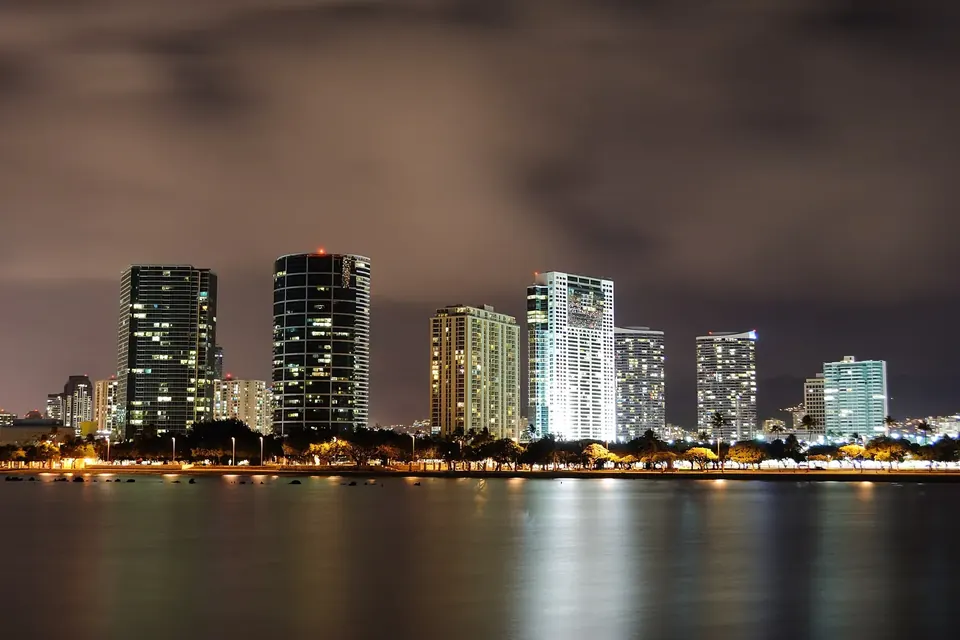
What "affordable" means
AMI, the City's 2026 income limits and rent caps, and who affordable housing leaves out.
 Housing & policy
Section 8 vouchers on Oʻahu
Who runs vouchers on Oʻahu, what tenants pay, the waitlist lottery and the anti-discrimination law.
Sourced
Every figure links to the count, statute, court decision or agency report it comes from. Where sources disagree, we say so.
Independent
No government agency, service provider, party or company funds or reviews our work. Nothing here is sponsored.
Respectful
We do not publish photos of people in hardship, invented stories or anonymous "testimonies". We write about people, not at them.
Getting help
All service guidesHow Oʻahu's system actually works for someone who needs a bed, a caseworker or a home.
 Getting help
Finding shelter on Oʻahu
Shelters for adults, families, youth, veterans and pets, and how outreach and HONU help people in.
 Getting help
Coordinated entry on Oʻahu
"No wrong door": how assessment, prioritization and case conferencing lead to housing referrals.
 Getting help
CORE and street outreach
EMTs and community health workers on non-violent calls: what CORE does and how to reach it.
Rights & public space
All rights guidesSidewalks and parks, belongings, court rulings, tenants and students.
 Rights & public space
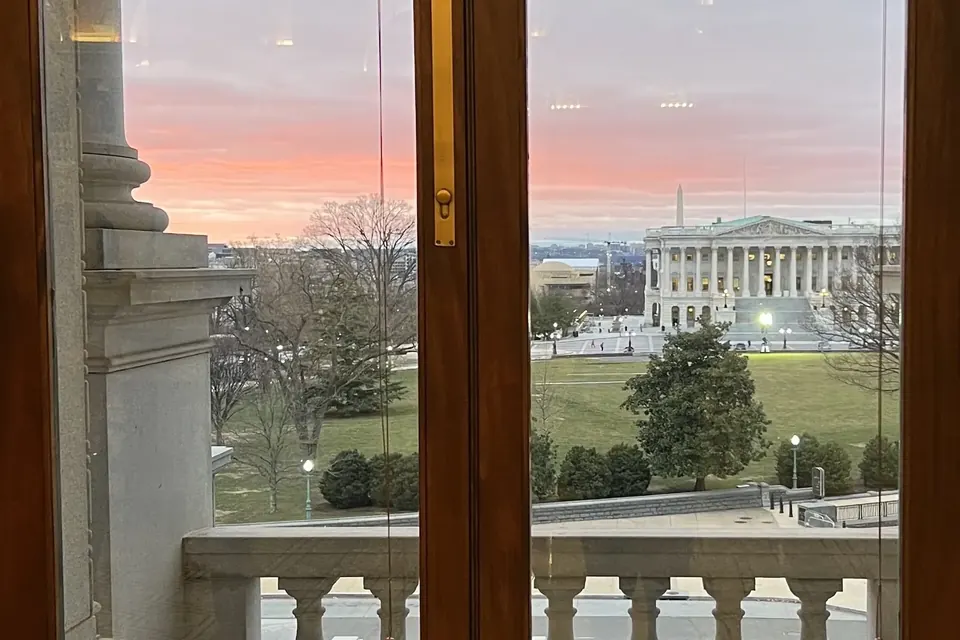
The Grants Pass ruling
What the 2024 Supreme Court decision on camping bans changed in Hawaiʻi, and what it did not.
 Rights & public space
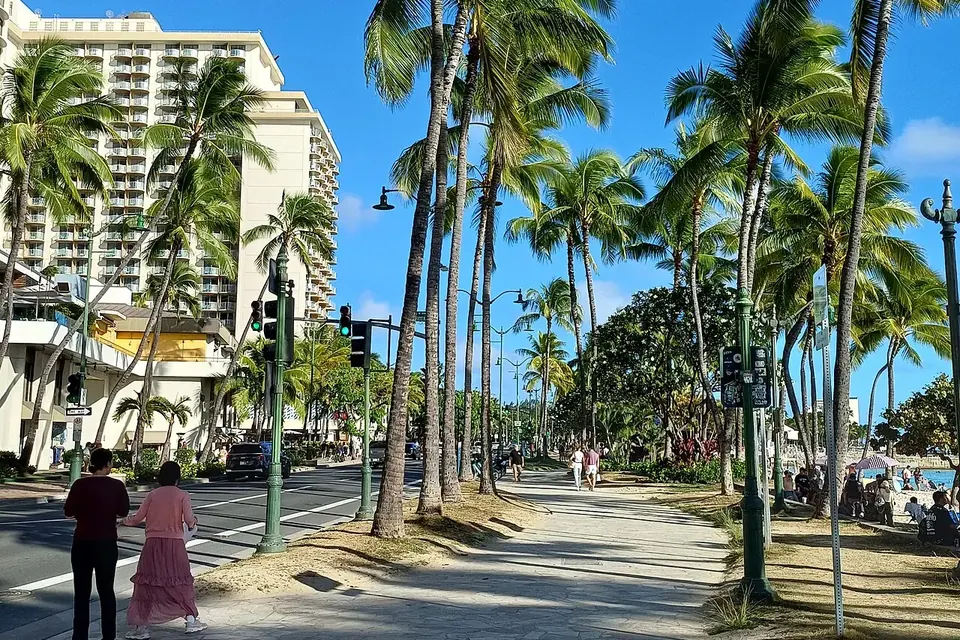
Belongings and sweeps
Notice, impoundment, storage and recovery: the city rules that govern belongings on public property.
 Rights & public space
Students without stable housing
About 4,800 students a year: who qualifies, the right to stay in school and how to get help.
How to help
All guides for neighbors How to help
Worried about someone?
Emergency or not: when to call 911, 988, Hawaiʻi CARES or HNL 311, and how to approach someone.
 How to help
 well
Giving that works, volunteering with respect, and taking part in housing decisions.
 Housing & policy
Housing First in Honolulu
Housing without preconditions: Honolulu's program since 2014 and what evaluations found.
Latest
- Worried about someone on the street? When to call 911, 988 or 311 on Oʻahu
A practical guide for Oʻahu residents who are concerned about a person living outside: how to tell an emergency from a non-emergency, which number to call, how to approach someone respectfully, and what happens after you call.
- How to help well: giving, volunteering and civic action on Oʻahu
Practical, respectful ways for Oʻahu residents to help people experiencing homelessness: what kinds of donations help most, how to volunteer, including for the Point-in-Time count, and how to take part in the decisions that shape housing policy.
- Students without stable housing in Hawaiʻi: rights under the McKinney-Vento Act
Hawaiʻi public schools identify about 4,800 school-aged students experiencing homelessness each year, most of them doubled up with other families. Who counts as homeless for schools, the rights to enroll, stay in the same school and get transportation, and how to reach a school liaison.
- Behind on rent in Hawaiʻi: the ten-day notice and free eviction mediation
Since February 5, 2026, Hawaiʻi landlords must give tenants ten calendar days' notice for unpaid rent and send it to a free mediation center. How Act 278 (2025) works, the deadlines that matter, and what tenants and landlords should do.
- Sidewalks, parks and sit-lie rules in Honolulu: a plain-language guide
Honolulu regulates who may sit, lie, sleep or keep belongings in public places through sit-lie bans, park closure hours, a lodging ordinance and sidewalk obstruction rules. Where they came from, what they cover and the debate around them.
- Belongings and sweeps in Honolulu: the stored property and sidewalk nuisance ordinances
What Honolulu's stored property ordinance and sidewalk nuisance ordinance allow, the notice and storage rules, what court cases and a 2016 settlement require, and practical steps to protect and recover belongings.
- The Grants Pass ruling and Hawaiʻi: what the Supreme Court changed about camping laws
In City of Grants Pass v. Johnson (2024), the U.S. Supreme Court held that enforcing public camping bans is not cruel and unusual punishment, overturning the Ninth Circuit rule that applied in Hawaiʻi. What the decision says, what it left open, and which protections still apply on Oʻahu.
- Medicaid housing supports in Hawaiʻi: Community Integration Services (CIS+) explained
Hawaiʻi's Medicaid program can pay for help finding and keeping housing for members with serious health needs who are homeless or at risk. Who qualifies for Community Integration Services, what they include, what they do not cover, and how to ask for them.
- CORE and street outreach in Honolulu: who responds, and how
Honolulu's CORE program sends EMTs and community health workers, not police, to non-violent calls about people living outside. What it does, how to request it, what its early data showed, and why the city auditor could not complete an audit in 2026.
- Finding shelter on Oʻahu: the kinds of shelter and the ways in
A practical guide to emergency shelter on Oʻahu: which shelters serve single adults, families, couples, youth, veterans and people with pets, how outreach and the HONU navigation program connect people, and what to expect on arrival.


Sections
- Counts & dataPoint-in-Time counts, Census rent figures and what the numbers can and cannot tell us about Oʻahu.
- Housing & policyAffordable housing rules, vouchers, kauhale, Housing First and the state and city policies behind them.
- Getting helpHow Oʻahu's homeless services system works: coordinated entry, shelters, outreach and health coverage.
- Rights & public spaceSidewalk and park rules, property sweeps, court rulings, eviction protections and students' rights.
- How to helpPractical ways for neighbors to help: giving well, volunteering and knowing whom to call.