The governor's housing emergency proclamations: what they did and what the court decided
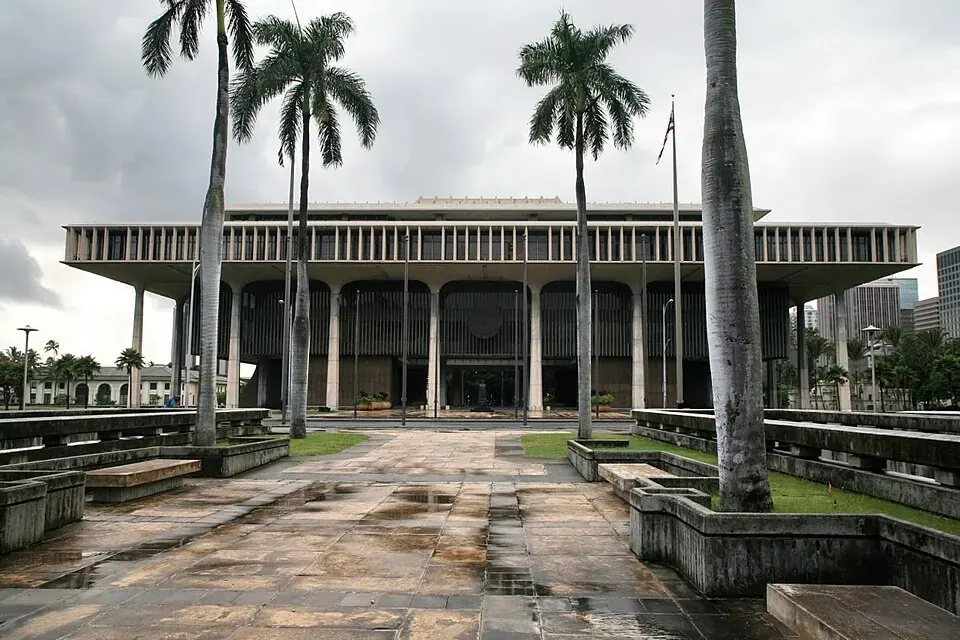
In July 2023, Governor Josh Green declared Hawaiʻi's housing shortage an emergency and used the powers normally reserved for hurricanes and wildfires to clear a path for new homes. The move was unprecedented in the state, drew praise from builders and fierce criticism from environmental and Native Hawaiian advocates, and ended up before the Hawaiʻi Supreme Court. Here is what happened, in order.
1. The first proclamation (July 17, 2023)
The Emergency Proclamation Relating to Housing was signed on July 17, 2023. The governor's office framed the problem in stark terms: a shortage of housing had produced "a crisis of increasing homelessness and migration to the mainland." Hawaiʻi's emergency management law lets a governor suspend state laws that impede the response to an emergency, and the proclamation used that power to suspend a long list of statutes affecting housing development.
The centerpiece was a new body, the Build Beyond Barriers Working Group. Its role, according to the governor's office, was to speed affordable housing by coordinating projects, assessing the workload of regulatory agencies and certifying projects for construction. Certified projects could then benefit from the proclamation's suspensions.
The first version also suspended the State's open meetings law and public records requirements for the working group. That drew immediate objections, and a revised proclamation in September 2023 reinstated the Sunshine Law for working group meetings.
2. Reactions
Support came mostly from developers and some housing advocates, who argued that layered approvals add years and costs to projects in a state where supply has lagged for decades. Opposition came from several directions:
- Environmental and cultural review. Critics feared that suspending laws protecting the environment, historic sites and burials would allow damage that could not be undone.
- Transparency. The initial suspension of open-meetings and records laws was widely criticized.
- Counties. Oʻahu officials responded with skepticism, as Civil Beat reported, given that counties control much of the zoning and permitting process.
In 2023, opponents filed a lawsuit challenging the governor's use of emergency powers to suspend these laws. That case is the one the Hawaiʻi Supreme Court decided in 2025.
3. The working group is dissolved (February 2024)
On February 23, 2024, the governor abolished the Build Beyond Barriers Working Group and transferred its duties to the Hawaiʻi Housing Finance and Development Corporation (HHFDC), the State's housing finance agency, as Civil Beat reported. The proclamations themselves continued to be renewed; emergency proclamations in Hawaiʻi last 60 days unless extended, and the governor issued a series of them.
4. The Supreme Court ruling (September 18, 2025)
The legal challenge reached the Hawaiʻi Supreme Court as Nakoa III v. Governor of the State of Hawaiʻi. The court issued a split decision on September 18, 2025, as reported at the time:
- The court did not void the governor's 15 affordable housing emergency proclamations, and found them "rationally related to the health, safety, and welfare" of the public.
- Proclamations 6 through 15 were found within the governor's authority.
- The first five proclamations were found to have gone beyond the authority granted by the emergency management law. The problem identified was the working group and its over-inclusive certification process, which lacked limits specific to affordable housing. The court said the initial proclamation "swept too broadly" by suspending 22 chapters and statutory provisions.
Timeline
- July 17, 2023: first housing emergency proclamation; Build Beyond Barriers Working Group created.
- September 2023: revised proclamation reinstates the Sunshine Law for working group meetings.
- February 23, 2024: working group abolished; duties moved to HHFDC.
- September 18, 2025: Hawaiʻi Supreme Court rules in Nakoa III v. Governor.
What it means for homelessness
The proclamations were about building homes, not directly about shelter or services, but the two are linked. People leaving homelessness need housing at the deepest levels of affordability, and much of what emergency streamlining can speed up is housing at 80% to 140% of area median income. Our explainer on what "affordable" means in Honolulu sets out why those categories serve different households.
The State has also pursued faster routes to shelter for people already on the street, most visibly its kauhale villages of tiny homes; our kauhale explainer describes what those villages have achieved so far.
The broader question
Behind the legal arguments sits a policy debate that will outlast this governor. Hawaiʻi's land use system was designed to protect agricultural land, sensitive environments and cultural sites in a small island state. It also makes building slow and expensive. The Supreme Court's ruling did not settle whether that balance is right; it held that emergency powers can be used against the housing shortage, but only with limits tied to the emergency itself. Lasting changes to permitting, zoning and review are matters for the Legislature and the county councils.
For residents who want to follow or influence those decisions, the most effective tools are ordinary ones: testimony on bills at the Legislature and the Honolulu City Council, neighborhood board meetings and public comment on specific projects. Our guide to helping well includes civic routes alongside volunteering.
How to follow what happens next
The governor's office publishes each proclamation and its attachments on its website, and the Hawaiʻi Housing Finance and Development Corporation has handled the working group's former duties since February 2024. The Supreme Court's opinion in Nakoa III is published by the Hawaiʻi State Judiciary. For any specific project said to be moving under emergency rules, the useful questions are the same as for any housing development: how many units, at what income levels, for how long, and which reviews were set aside to build them.
Sources
- Office of the Governor, State of Hawaiʻi, Emergency Proclamation Relating to Housing.
- Civil Beat, Governor's housing proclamation draws skeptical response from Oʻahu officials, July 2023.
- Civil Beat, Why the State's housing working group is being dissolved, February 2024.
- The Garden Island, Hawaiʻi justices offer mixed ruling on Green's housing proclamation, September 19, 2025.
- Spectrum News Hawaiʻi, Supreme Court upholds Green's housing proclamations, September 2025.
 Housing & policy
What "affordable" means
AMI, the City's 2026 income limits and rent caps, and who affordable housing leaves out.
 Counts & data
Hawaiʻi in the national count
Why Hawaiʻi topped the 2024 federal ranking, and what the state's figures show since 2016.
 Housing & policy
Kauhale explained
918 beds at 24 sites: how the State's tiny-home villages work and what happens to residents.