Belongings and sweeps in Honolulu: the stored property and sidewalk nuisance ordinances
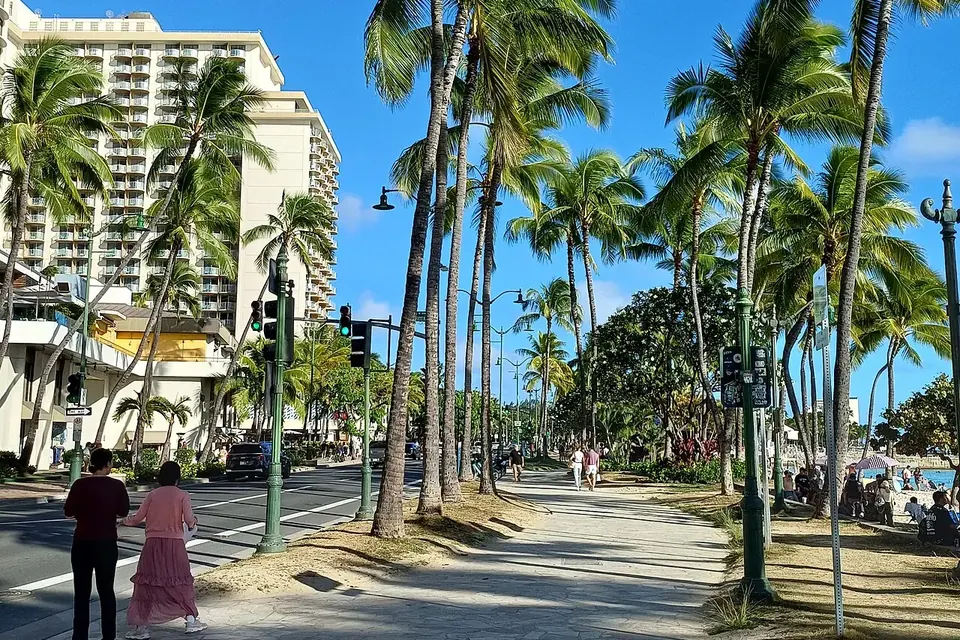
For people living outside, a sweep can mean losing a tent, medication, identification and the paperwork for a housing application in a single morning. In Honolulu, two city ordinances govern when belongings left on public property can be removed: the stored property ordinance and the sidewalk nuisance ordinance. Both have been in force since the early 2010s, both have been challenged in court, and both come with rules the City must follow.
This is general information, not legal advice. Ordinances are amended over time; check current wording with the City or a legal aid organization before relying on any detail below.
The stored property ordinance
The stored property ordinance (SPO) was adopted in 2011 through Bill 54 (2011). Its basic rule is that personal property may not be stored on public property. The procedure set out in the bill works like this:
- Written notice first. The City tags the property with a written notice. If it is not removed within 24 hours of the notice, it may be impounded.
- Information on the notice. The notice must say where removed property will be stored and that property not claimed within 30 days after impoundment will be sold or otherwise disposed of.
- Storage. Impounded property is held for that period. A 2015 federal court stipulation in a related case said it would be stored at a facility in or near the City's Hālawa baseyard.
- Recovery. The owner can reclaim property before disposal by showing proof of ownership and paying the City's handling and storage charges.
- Disposal. Unclaimed items may be sold, kept or donated; items with an estimated value of $1,000 or more must be disposed of by public auction or bids.
The sidewalk nuisance ordinance
The sidewalk nuisance ordinance (SNO) is aimed at objects that obstruct sidewalks. As described when the bill was introduced, it allows City workers to remove items deemed a sidewalk nuisance without the 24-hour advance notice required by the SPO, with a notice posted at the site after removal and seized items held for a period during which owners can reclaim them. The City has offered a form to request a waiver of sidewalk nuisance fees for owners who cannot pay; the 2015 stipulation mentions fee waivers for people who sign a statement of financial inability to pay.
The two ordinances side by side
- Stored property (SPO): property stored on public property; written notice, then 24 hours before impoundment; storage for 30 days; recovery with proof of ownership.
- Sidewalk nuisance (SNO): objects obstructing sidewalks; removal can happen without advance notice; notice posted afterwards; recovery possible, fees may be waived.
What the courts and settlements require
The 2016 settlement
In 2016 the City Council approved a settlement with 21 people experiencing homelessness, represented by the ACLU of Hawaiʻi, who had alleged that sweeps destroyed property and did not give the required 24 hours' notice. Under the settlement, reported by Hawaii News Now, the City paid $48,500 and may continue enforcing the stored property and sidewalk ordinances, but must not dispose of personal belongings such as tents, clothing and household goods.
Federal constitutional protections
The U.S. Constitution's Fourth and Fourteenth Amendments protect personal property from unreasonable seizure and destruction without due process. The Supreme Court's 2024 Grants Pass decision concerned the Eighth Amendment and did not change those protections; see our explainer on Grants Pass.
The 2023 lawsuit
In 2023 the ACLU filed a new lawsuit seeking to block the City from enforcing five sets of laws, including the stored property ordinance and the sidewalk nuisance and obstruction ordinances. Mayor Rick Blangiardi said in a September 27, 2023 statement that the City would "vigorously oppose" it. Readers should check the current status of that litigation before drawing conclusions about how the ordinances are applied today.
Practical steps to protect belongings
- Keep essentials on you. ID, Social Security card, birth certificate, medication, phone and charger, and housing paperwork are the hardest things to replace. A small bag that stays with you is safer than a tent.
- Make copies. Ask a case manager or outreach worker to keep photocopies or scans of documents. Some service providers offer mail and document storage.
- Read any notice carefully. Note the date and time, the storage location and the phone number. Photograph the notice if you can.
- Move or claim quickly. Under the SPO, the clock starts with the notice. If property is impounded, the 30-day storage period is your window to recover it.
- Ask about fee waivers. If you cannot pay storage or handling charges, ask whether a waiver applies.
- Get help. Outreach workers, including the City's CORE teams, can help replace lost IDs, and legal aid organizations can advise if you believe property was taken or destroyed unlawfully.
Recovering impounded property
The City's stored property page has given a phone line for information on retrieving stored items, (808) 768-3585, and a fee waiver form for sidewalk nuisance removals. Because procedures and locations can change, call before travelling to a storage site, and bring identification or other proof that the items are yours.
Why it matters beyond the individual
Lost documents delay housing placements, lost medication can trigger health crises, and repeated losses erode trust in the outreach workers who try to help. Service providers and researchers have long noted that sweeps that destroy belongings can push people further from housing. At the same time, residents, businesses and the City have a legitimate interest in passable sidewalks and usable parks. The rules above are the City's attempt at that balance; whether they strike it well is a question for residents and their elected officials. Our guide to sidewalks, parks and sit-lie rules covers the related laws on where people can sit, lie and sleep.
Sources
- Honolulu City Council, Bill 54 (2011), stored property (PDF).
- Hawaii News Now, Honolulu to pay $48,500 to settle sidewalk clearing suit, February 19, 2016.
- ACLU of Hawaiʻi, court filing in a related federal case (PDF).
- City and County of Honolulu, Office of the Mayor, Statement by Mayor Blangiardi in opposition to ACLU lawsuit, September 27, 2023.
- Civil Beat, A second crack at clearing Honolulu's sidewalks, October 2011.
 Rights & public space
Sidewalks, parks and sit-lie
Sit-lie bans, park hours, the lodging ordinance and sidewalk rules, and the debate over them.
 Rights & public space
The Grants Pass ruling
What the 2024 Supreme Court decision on camping bans changed in Hawaiʻi, and what it did not.
 Getting help
CORE and street outreach
EMTs and community health workers on non-violent calls: what CORE does and how to reach it.