Sidewalks, parks and sit-lie rules in Honolulu: a plain-language guide
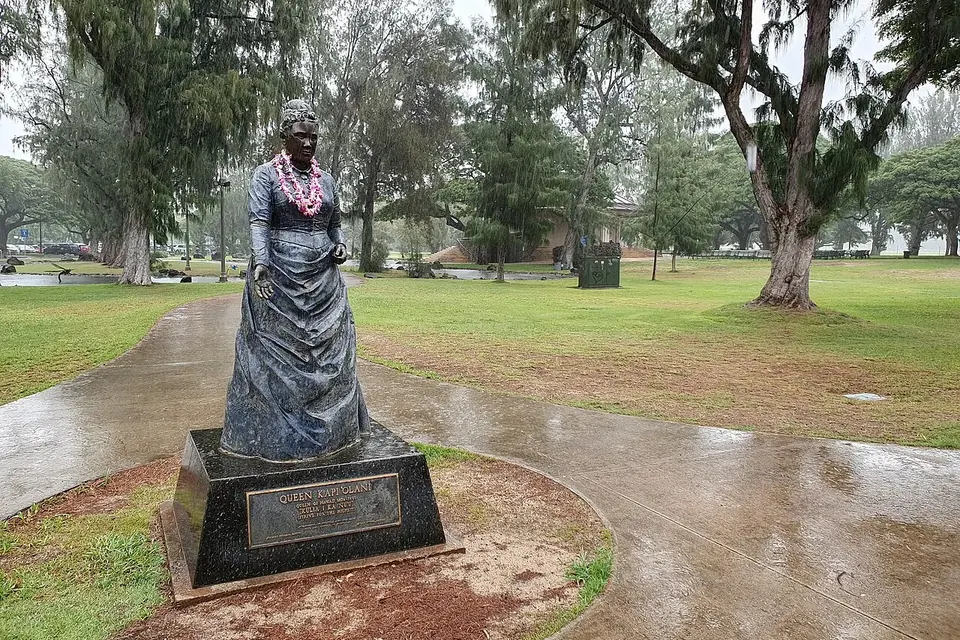
Public space in Honolulu is governed by a layered set of city laws: some about sitting or lying on sidewalks, some about when parks close, some about obstructing sidewalks or storing property. Together they shape where people with nowhere else to go can spend the day and the night. This guide explains the main rules and how they came about. It is general information, not legal advice.
The five kinds of rules
When the ACLU of Hawaiʻi sued the City in 2023, Mayor Rick Blangiardi's response listed the five types of "public welfare laws" at issue. They are a useful map of the territory:
- Camping and park closure laws, which restrict camping in public places and close parks during set hours.
- Sit-lie laws, which restrict sitting or lying on the busiest sidewalks and in certain malls during set days and hours.
- The stored property ordinance, which bars storing personal property on public property (see our guide to belongings and sweeps).
- Sidewalk obstruction laws, including the sidewalk nuisance and sidewalk obstruction ordinances.
- The lodging ordinance, which bars sleeping or resting on public sidewalks or places and refusing to leave when asked.
How sit-lie came to Honolulu
Waikīkī, September 2014
The first sit-lie ban covered Waikīkī sidewalks. The City Council passed it in September 2014 with support from then-Mayor Kirk Caldwell and from Waikīkī hotels and shops, which argued that homelessness was hurting tourism. Coverage at the time described the Waikīkī ban as applying around the clock. A companion bill prohibited urinating and defecating in public places in Waikīkī.
Business districts, November 2014
Two months later, on November 14, 2014, the Council voted 7 to 2 for Bill 48, extending the ban to commercial districts around the island. Civil Beat reported that it covered Chinatown, downtown, Kailua, McCully–Mōʻiliʻili, Wahiawā, Ala Moana–Sheridan, Kāneʻohe, Waimānalo, Kāhala, ʻĀina Haina, Niu Valley, Kaimukī and Hawaiʻi Kai, applied from 5 a.m. to 11 p.m., and carried fines of up to $1,000. The mayor signed it in December 2014.
Later changes
Further expansions followed by district in later years, while at least one proposed expansion was vetoed in 2015 after warnings about legal challenges. A 2018 sidewalk obstruction measure, Bill 51 (2018), included a requirement that an officer personally observe an obstruction before enforcing. Because boundaries and hours have been amended several times, the current ordinance text is the only reliable guide to a particular street.
Sit-lie in brief
- Where: Waikīkī and designated business districts across Oʻahu.
- When: set days and hours, which vary by area.
- What: sitting or lying on the sidewalk, not walking or standing.
- Penalty: fines; Bill 48 set a maximum of $1,000.
Parks and closing hours
City parks have posted closing hours, and being in a closed park is an offense. Some parks have been closed for longer periods for cleaning or renovation. In practice, park closures are one of the main reasons people living outside move at night, often to sidewalks, where the lodging and obstruction rules apply. The hours for a given park are posted at its entrance and on the City's parks website.
The legal landscape
Laws like these were tested for years against the Ninth Circuit's Martin v. Boise rule, which limited punishment for sleeping outside when no shelter was available. The Supreme Court's 2024 decision in City of Grants Pass v. Johnson removed that limit, holding that enforcing camping laws is not cruel and unusual punishment; our Grants Pass explainer covers what it changed. Other protections, such as those for personal property and the requirements written into each ordinance, still apply. The ACLU's 2023 lawsuit challenged the five sets of laws on other grounds; its outcome will shape how they are enforced.
The arguments on each side
For the rules
- Sidewalks must stay passable, including for people using wheelchairs, strollers and walkers.
- Businesses, workers and visitors are affected by encampments at doorways and transit stops.
- Health and safety risks, from sanitation to fire, increase with long-term camping.
- Enforcement can prompt people to accept shelter or services they would otherwise refuse.
Against the rules, or how they are used
- Moving people on does not create housing; it shifts people from one neighborhood to another.
- Citations and fines people cannot pay can lead to court dates, warrants and records that make renting and employment harder.
- Repeated moves disrupt contact with outreach workers and medical care, and can cause the loss of documents and belongings.
- The rules apply to anyone, but in practice fall on people with nowhere else to be.
Where to read the current rules
The text of each ordinance is in the Revised Ordinances of Honolulu, and the City Council's legislative records show how each was amended over time. Parks post their closing hours at entrances, and sit-lie districts are defined by street boundaries in the ordinances themselves. Because news coverage tends to report a rule when it is passed rather than when it is changed, an article from 2014 is not a reliable guide to a street in 2026. People who receive a citation should read it carefully, note the ordinance number it cites and ask a legal aid organization for advice before the court date.
What residents can do
Most residents are not neutral on this subject, and they do not need to be. A few principles help whatever your view:
- Separate safety from presence. Someone sitting on a bench is not an emergency; a medical crisis, a threat or a fire is. Our guide on what to do when you are worried about someone on the street explains whom to call.
- Use non-emergency routes for non-emergencies. HNL 311 can route concerns about someone's well-being to the City's outreach program.
- Engage with the rule-makers. Sit-lie boundaries, park hours and enforcement priorities are set by the City Council and the administration. Testimony and neighborhood board meetings are where they change.
Sources
- City and County of Honolulu, Office of the Mayor, Statement by Mayor Blangiardi in opposition to ACLU lawsuit, September 27, 2023.
- Civil Beat, Honolulu City Council votes to ban sitting, lying on Waikīkī sidewalks, September 2014.
- Civil Beat, Honolulu City Council expands sit-lie ban to districts throughout Oʻahu, November 2014.
- Honolulu City Council, Bill 51 (2018), CD2, sidewalk obstruction (PDF).
 Rights & public space
Belongings and sweeps
Notice, impoundment, storage and recovery: the city rules that govern belongings on public property.
 Rights & public space
The Grants Pass ruling
What the 2024 Supreme Court decision on camping bans changed in Hawaiʻi, and what it did not.
 How to help
Worried about someone?
Emergency or not: when to call 911, 988, Hawaiʻi CARES or HNL 311, and how to approach someone.